Complete Guide to discovering the museum's highlights
Exploring America's Past at the National Ballpark Museum
The National Ballpark Museum gives a unique perspective into America's baseball heritage. Through its collection of memorabilia and presentations, visitors can discover the sport's evolution alongside social changes. Iconic uniforms and rare photographs tell narratives of legends and their influence on the game. As groups engage with hands-on exhibits, they discover how baseball stays intertwined with American culture. What insights might this museum reveal about the tomorrow of the sport?
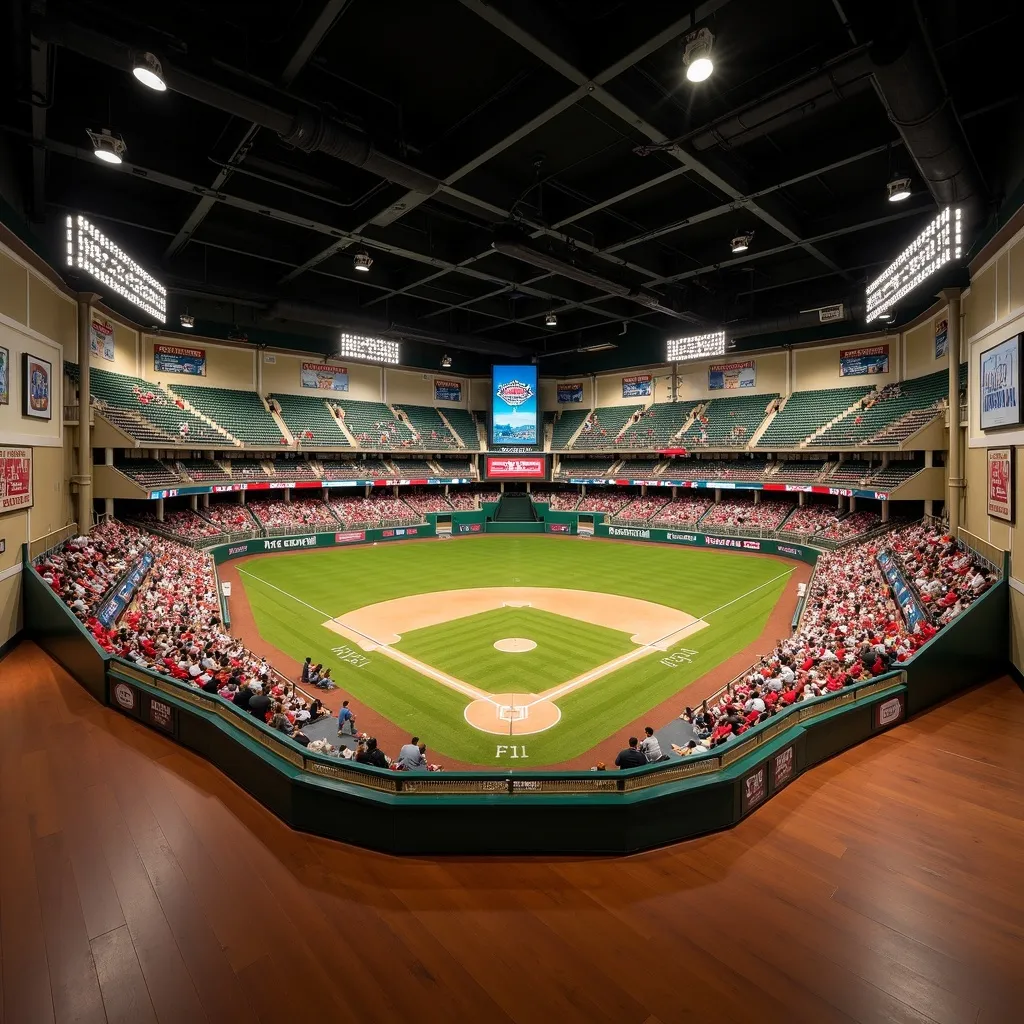
The Substantial Narrative of Baseball in America
Baseball, traditionally called America's national sport, has a colorful history that is woven into the cultural character of the nation. Arising in the mid-1800s, the sport swiftly gained traction, capturing the cultural dynamics and distinctive identities of the period. The founding of established competitive organizations transformed baseball into a pillar of American entertainment, with the National League forming in 1876 and the American League following in 1901.
Major events, such as the incorporation of baseball in 1947 with Jackie Robinson, signified considerable cultural shifts, defying conventional norms and advancing civil rights. The game has also seen legendary figures, from Babe Ruth to Hank Aaron, whose impacts echo beyond the diamond. Historic ballparks have hosted countless memorable moments, fostering a collective experience for fans. Overall, baseball serves as a reflection of American history, encapsulating triumphs, struggles, and the lasting spirit of a nation united by its passion for the game.
Renowned Baseball Memorabilia You Must See
While recollections of celebrated matches and momentous occasions persist in the consciousness of fans, iconic baseball memorabilia functions as tangible connections to the sport's rich heritage. The National Ballpark Museum displays an impressive collection, presenting items that capture the essence of baseball's heritage. Visitors can wonder at vintage uniforms sported by Hall of Famers, each thread sharing a story of victory and resilience. Inscribed balls, preserved in glass cases, offer glimpses into mutual bonds between players and fans, while rare photographs immortalize pivotal moments in baseball history.
Among the notable elements are winning bands, embodying the pinnacle of achievement, and vintage tickets that transport visitors back to unforgettable games. Each treasure prompts consideration and gratitude for the sport's evolution. This thoughtfully curated collection not only exhibits the game's milestones but also triggers sentimental reflections, reminding audiences of the enduring legacy of America's pastime.
Encounter the Legends: The Way the Museum Celebrates Baseball Icons
The homage to baseball icons fills the environment of the National Ballpark Museum, where visitors are encouraged to explore the lives and accomplishments of the sport's most iconic figures. The museum showcases engaging exhibits that spotlight the careers of baseball stars, providing artifacts, photographs, and interactive displays that bring their stories to life. Each section is meticulously curated to reflect the unique contributions of players such as Babe Ruth, Jackie Robinson, and Hank Aaron, showcasing their impact both on and off the field.
The museum also conducts special events and guest speakers, providing fans opportunities to listen to firsthand accounts and insights from former players and historians. This dedication to honoring baseball icons nurtures a deep connection between visitors and the legends who built the game. Through its immersive environment, the National Ballpark Museum guarantees that the legacy of these players continues to motivate future generations of baseball enthusiasts.
Explore How Baseball Stadiums Have Progressed
Throughout the decades, baseball's stadiums have metamorphosed significantly to meet the evolving needs of fans and players alike. Early ballparks were elementary, equipped with wooden bleachers and minimal amenities, primarily constructed for the game itself. Nevertheless, as the sport gained popularity, stadiums began to include more features, like upgraded seating, concessions, and restrooms, enriching the overall experience.
The introduction of contemporary innovations led to major improvements, including digital displays and improved sound systems. Architecturally, stadiums transformed from the classic, symmetrical designs to more unique, fan-oriented layouts, creating immersive environments that showcase local culture. The growth of corporate sponsorships also influenced design, with premium suites and premium seating becoming standard. Today, stadiums are versatile spaces, hosting shows and activities beyond baseball, highlighting their flexibility and significance in American culture. This evolution illustrates not just a sport, but a vibrant community hub.
Kid-Friendly-Recreation at the National Ballpark Museum
The National Ballpark Museum delivers a diversity of family-friendly offerings that honor the rich history of baseball and its notable stadiums. Families can enjoy interactive exhibits that urge children to participate with the sport's history through direct engagement. A exploratory hunt throughout the museum propels young visitors to browse artifacts and learn about iconic athletes and remarkable instances.
In addition, the museum puts together learning experiences where children can master their baseball skills, study the science of the game, and engage in storytelling sessions about famous teams and their achievements. Particular occasions, such as family days, often showcase guest speakers from the baseball community, imparting a personal touch to the experience. With its vibrant atmosphere and numerous programs, the National Ballpark Museum develops a love for baseball, making it an ideal hub for families looking to relate over America's favorite pastime.
Plan Your Visit to the National Ballpark Museum
Curious about how to maximize a trip to the National Ballpark Museum? Visitors are advised to check the museum's official website for up-to-date hours and admission fees before organizing their trip. Located in Denver, Colorado, the museum is easily accessible via public transportation and offers nearby parking options. It is recommended to allocate at least two hours to tour the extensive exhibits, which display baseball history and memorabilia.
For visitors looking for a guided experience, the museum offers educational guided tours that investigate more deeply into the pieces. Families can experience interactive displays, making it a remarkable experience for all ages. Additionally, guests should think about timing their visit to coincide with special events or rotating National Ballpark Museum parking exhibitions for an better experience. Finally, the museum shop provides special mementos for fans to bring back, ensuring that the visit creates a enduring memory.
Commonly Sought Questions
What Are the Museum's Business Hours?
The museum operates from 10 AM to 5 PM, Tuesday through Sunday. It stays shut on Mondays, permitting staff to preserve displays and prepare for the next day's patrons interested to experience its attractions.
Is There an Entry Charge for the Museum?
The museum requires a conservative admission fee for entry. Visitors can discover a rich selection of historical exhibits and artifacts, enhancing their insight of the sport's influence on American culture and history.
Do guided tours exist at the Museum?
Guided tours are offered at the museum, providing visitors with an comprehensive experience. Knowledgeable guides discuss insights and anecdotes about the displays, enhancing the understanding of baseball history and its cultural importance.
May I Obtain Gifts at the Museum?
Souvenirs are available for purchase at the museum. Visitors can find a variety of memorabilia, including clothing, treasures, and themed items, enabling them to take home a piece of the experience from their visit.
Are Museum Facilities Wheelchair Accessible?
The museum maintains wheelchair accessibility, confirming that all patrons can navigate its presentations easily. Ramps and marked pathways are available, supporting inclusivity and allowing everyone to appreciate the diverse historical collection presented within its areas.